

Common ENT conditions in children: Advice for parents
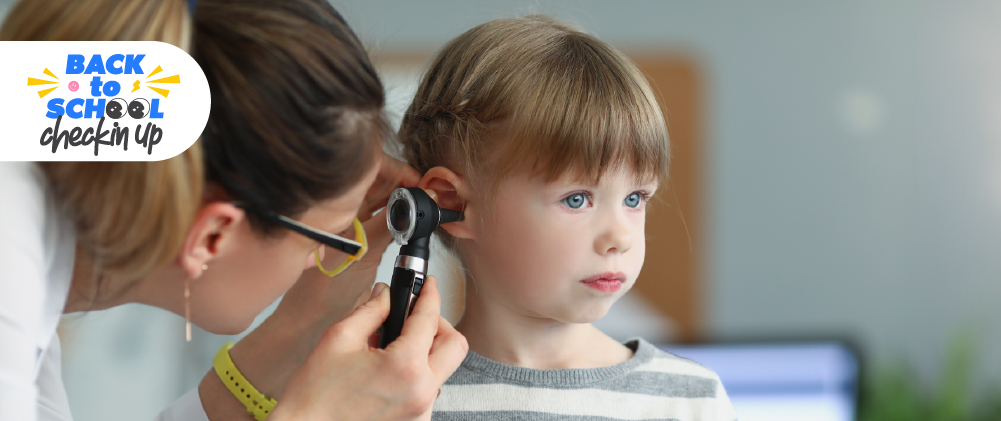
Children often experience ear, nose and throat problems because their immune systems are still developing and they come into contact with microorganisms at nursery, school or play areas.
What are the most common ENT problems in children?
1) Otitis
Otitis is inflammation of the ear, usually caused by bacteria, viruses or fungi. It is classified as:
Otitis externa: Inflammation of the external ear canal.
Acute otitis media: Inflammation of the middle ear (the cavity between the eardrum and the inner ear), with symptoms such as pain, fever and reduced hearing.
Otitis media with effusion: A build-up of fluid in the middle ear, without pronounced symptoms, which can cause hearing loss and a feeling of fullness.
2) Pharyngotonsillitis
This is inflammation of the pharynx and tonsils, usually caused by viruses or bacteria. Symptoms include a sore throat, difficulty swallowing, fever and enlarged tonsils. In severe cases, antibiotic treatment or even a tonsillectomy may be needed.
3) Allergic rhinitis
This is inflammation of the nasal lining caused by allergens such as pollen, dust and pets. Symptoms include a watery runny nose, sneezing, itching and nasal congestion. It may be associated with other allergic conditions, such as asthma.
4) Nasal infections
Nasal infections are usually caused by viruses or bacteria. They involve inflammation inside the nose and in the surrounding cavities, such as the sinuses. Symptoms include a runny nose, nasal congestion and sneezing, which may be accompanied by fever, facial pain, headache and coughing.
5) Hearing loss
Hearing loss is mainly classified as sensorineural or conductive. Sensorineural hearing loss occurs when the inner ear (cochlea) or auditory nerve is damaged and is permanent. Conductive hearing loss occurs when sound waves cannot reach the inner ear. This may be due to a build-up of earwax, fluid in the ear, a perforated eardrum, cholesteatoma, otosclerosis or other causes. It is often temporary and can be corrected with treatment or surgery.
6) Obstructive sleep apnoea
In this condition, breathing stops during sleep because the airways are obstructed. Symptoms include snoring, restless sleep and daytime sleepiness. It is often caused by enlarged tonsils or adenoids and may require surgery. Obstructive sleep apnoea has serious effects on children’s physical and psychological development. Children with obstructive sleep apnoea may show irritability, aggression and difficulty concentrating. A lack of good-quality sleep can affect learning ability and academic performance. Chronic oxygen deprivation can affect children’s growth. Poor sleep quality can reduce the immune system’s ability to fight infections.
7) Nosebleeds
These are usually caused by dry air, injury or nasal infections. In most cases, they stop on their own and are not serious. Parents can help children pinch the soft part of their nose and tilt their head slightly forwards to stop the bleeding. If nosebleeds are frequent or prolonged, medical advice should be sought.
Why are preventive check-ups important?
They are vital for detecting and treating these conditions early. Regular visits to a paediatrician or paediatric ENT specialist can help identify problems before they become serious.
How can parents help with prevention?
Teaching children good hygiene practices, such as frequent handwashing and avoiding contact with people who have symptoms of infection, can reduce the risk of infections.
Avoiding smoking at home helps reduce irritation of children’s respiratory systems and lowers the risk of respiratory problems.
Routine vaccinations are important for preventing diseases.
Preventive hearing screening begins in the first month of life and continues during the preschool and school years. Hearing tests are essential when speech delay or learning difficulties are present.
ENT conditions are common in children, but with awareness and care, we can reduce their impact and support healthy development!
Recognising the important role of prevention and early diagnosis, and to mark the start of enrolment for the new school year, the Athens Paediatric Center & the European Interbalkan Medical Center in Thessaloniki, part of the Athens Medical Group, are offering comprehensive “Back to school” preventive check-up packages at preferential prices until 31 October 2024.
Author